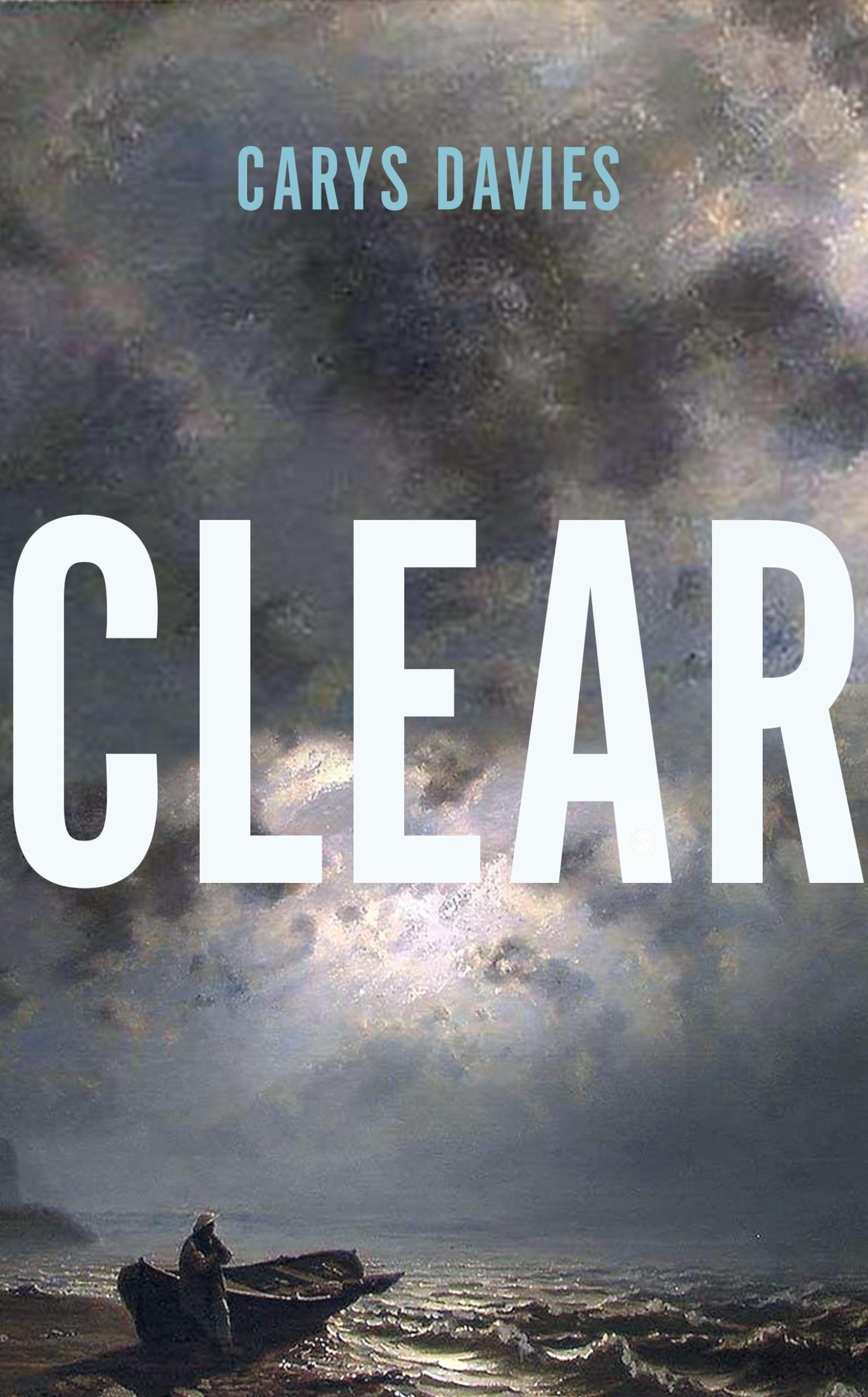
Carys Davies’ novel Clear was published by Granta in May 2024. It is a historical fiction novella of around 160 pages, but much like Claire Keegan’s works, it is short, sweet, and packs a punch. I read this book at the end of 2024, and the story has stayed with me long after I finished reading it.
The novel explores a lesser-known part of Scottish history, referred to as The Highland Clearance, The Removal, or Fuadaichean nan Gàidheal (Eviction of the Gaels) in Scottish Gaelic. From around 1750 to 1860, farmers were forcefully removed from their farms and residencies by landowners wanting to repurpose the land for industrial farming. Farmers and families had lived on these lands for generations and were abruptly forced to leave their homes to take on new jobs as fishers, kelpers, miners, and quarriers. Some were given options for an ‘assisted passage’, which often meant that families were forced to immigrate further south in Scotland or to travel to British colonies like Australia and Aotearoa/New Zealand. Indeed, if you have Scottish heritage there is a possibility your ancestors may have been forcefully removed in these clearances.
The Highland Clearance upended Scottish culture, way of life, politics, and stability. The potato blight sometimes called the potato famine in 1846, accelerated the clearance of northern Scotland and its islands as many families escaped poverty and famine. It is estimated that around 70,000 people were removed from their homes over this period.
Scotland had functioned under a clan system for around 1,000 years. Clans, often made up of specific families, were extremely important to Scottish culture and connection to the land. Clans had certain ties to the land, hunting, cultural practices, and ways of life. Clans were led by a Chief who ruled over war, land, and love. The Scottish clan system fell apart after the Battle of Culloden in 1746, and it is not surprising that soon after this battle, the clearances began. The idea of clearances or removals of farmers and their families went against an extremely important Scottish Clan concept referred to as Dùthchas, which, on a legal level, allowed clansmen the right to rent land in clan territories. On a cultural level, Dùthchas was about connection to the land, your birthplace, heritage, and kinship. The loss of this connection to the land in Scotland is something that is not really talked about a lot, and I think it is important to address colonial and capitalist mindsets wherever they might come up.
And so, with that brief historical background to the novella, I want to discuss and explore how these historical elements play out in Davies’ novel and how it is a beautiful exploration of love, loss, connection, and Dùthchas. Ivar is a lone farmer on a remote island in Shetland. He has lived alone for many years, and long after his last living relatives left the island in hopes of a better life, Ivar remained. He loved his animals, his fireplace, his knitting, and his wool spinning. He had a difficult life, but it was also a simple one. He collected feathers, tended to crops, and spun wool to be traded for rent until one day, Ivar finds a man unconscious on the shore.
For many nights, Ivar tends to the man’s wounds and nurses him back to health. In the beginning, the injured man cannot remember how he got to the island or his purpose. He cannot even quite remember his name. Over the coming weeks, Ivar and the man, who we eventually learn is John Ferguson, build a relationship. John tries to learn the language of Ivar, which is almost completely lost to time and colonisation, and the two create a close friendship.
John and Ivar live in a suspended state of freedom—John has not yet revealed to Ivar why he came to Ivar’s island. The convictions John had before meeting Ivar, before his accident, seem to have fallen away, and all that remains is love.
While Davies is never explicit about their relationship, it felt clear to me that Ivar and John fell in love with each other, slowly at first, but in love nonetheless. The way their relationship grows throughout the novella is such a testament to Davies’ writing and her ability to create and explore something so true and beautiful.
When Mary, John’s wife, finally travels to the island by selling her wedding ring to raise the capital for the passage, she is shocked to find John living happily with this strange man. Mary’s hopes and dreams for her future with her husband changed drastically. And the story’s end is not what you would think.
Davies’ novella made me feel like I was being given a warm hug. Her writing style is extremely relaxing and comforting, and it made me desperate to travel to Shetland. This novel is great for anyone wanting a beautiful cinematic read that deals with human relationships and conflicts set on historical backdrops. Clear has made me excited to read more novels by Davies and to explore the history of the Highland Clearance further.
If you’re interested in further reading, Alistair Moffat has written extensively on Scottish history and T.M. Devine has a great historical book on The Highland Clearance.
As always, share the reading love.

 bound2books