I’m often thinking about human relationships with the environment – how we’ve used and abused the world around us collectively for such a long time. I’ve been grappling with how I have tried to push back on some of these things and how to make a practical and effective impact on what I do and what matters to me. I’ve been thinking about the many natural disasters that have been unfolding around the world, from horrific floods in the south of Brazil that still have major airports closed even 6 months later to recent hurricanes in the U.S. Even as I reflect on Australia’s recent climate and weather issues, I sit at home experiencing an unnaturally wet, extremely windy, and cold Spring, waiting for the other proverbial climate shoe to drop.
It can feel daunting to unpack and process what is happening, but I wanted to share some recent reads that have helped me think critically and openly. These are a mix of authors from all walks of life who have written about nature, fashion, farming, and logging.
Let’s also have a disclaimer—if you’ve come here to argue that climate change isn’t real, then move along. You will not be entertained here.
Now to the books!
The Forest Wars – David Lindenmayer
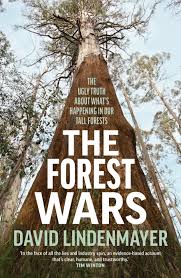
The Forest Wars is written by Professor David Lindenmayer. He is perhaps one of the most world-renowned researchers on forest ecology and has done extensive research on Australian forests – particularly those located in Victoria, Australia. Most researchers can struggle with translating complex ideas to the general population. Lindenmayer’s book, The Forest Wars is extremely accessible and easy to read. The style of the book is set up in short chapters that explore different climate and forestry myths and why these are false. While Lindenmayer speaks predominately from an Australian ecological perspective, he communicates many universal ideas and truths in his writing. It is definitely a book for anyone concerned about deforestation and its impact on climate and the environment. I read this book really quickly and found it both extremely interesting and extremely sad.
The English Pastoral – James Rebanks
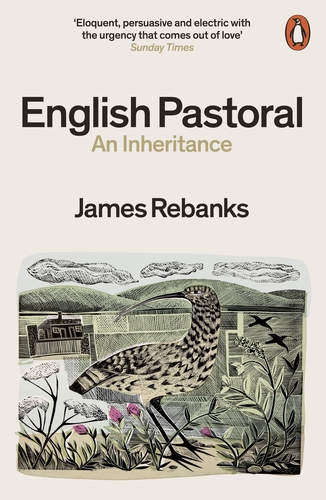
James Rebanks has written extensively on farming practices and life in the Lake Districts in the North-West of England. His books are lovely to read – they are part memoir, part social and cultural discussion. He grew up on a farm and is part of a long line of sheep farmers in the North. Rebanks doesn’t mince his words when it comes to reasonable and sustainable ideas about farming. He also writes about his own short-comings and practices and things that he is slowly trying to change on his own farm and in his own community. Farming and feeding the world is a complex issue, and every country will have its own specific challenges. I don’t think Rebanks proffers magical solutions, but I have really enjoyed his ideas on farming, respecting nature, and getting back to older-style farming practices that were more sustainable.
The Power of Trees – Peter Wohlleben
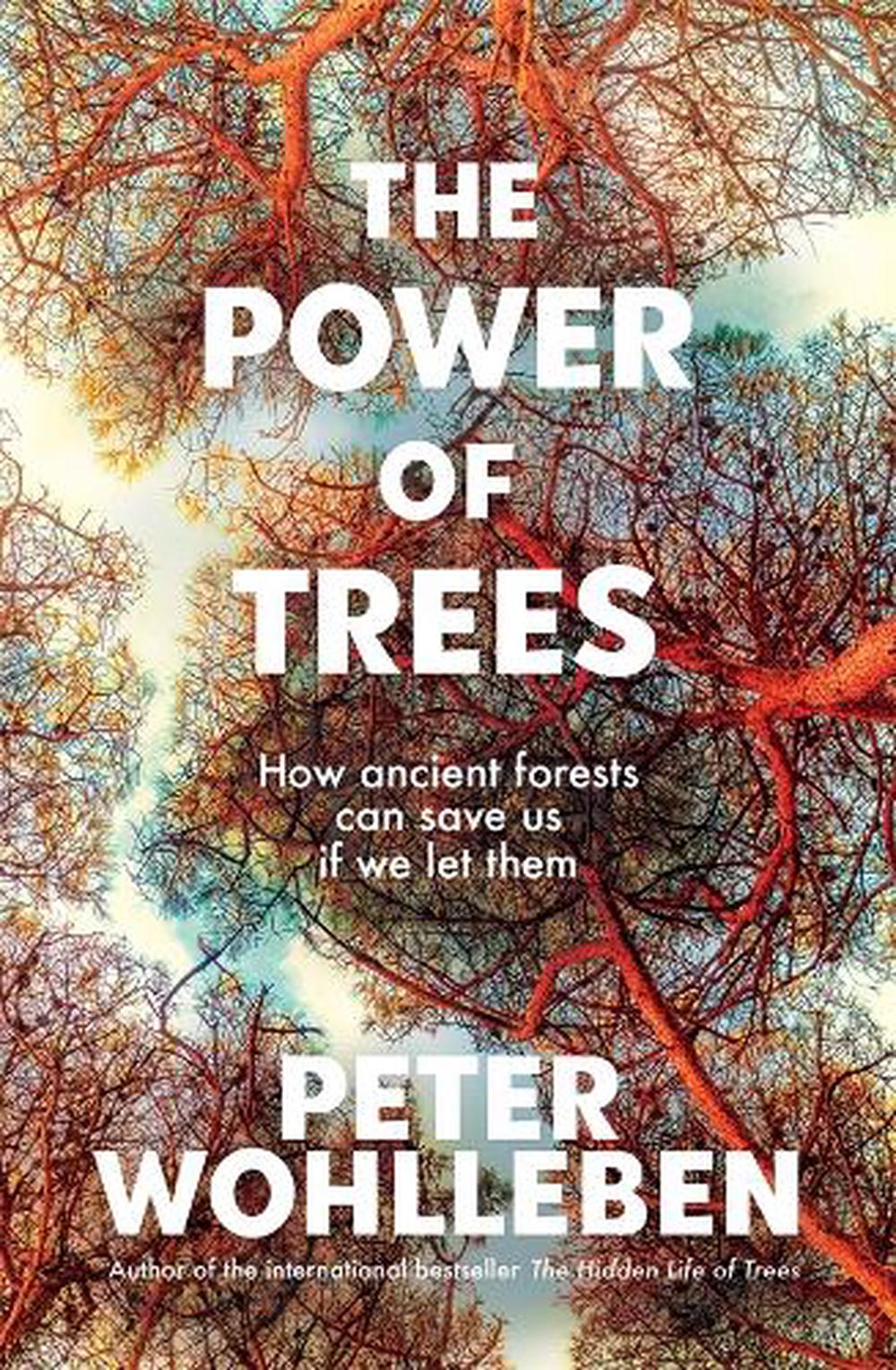
I’ve written a lot about Peter Wohlleben’s work on my blog. I love his style of writing and all the amazing and wonderful things I learn when I read his books. Wohlleben is a German forester who talks about his love of trees, nature, and the natural world. If you have ever wanted to learn more about forests, then his books are jam-packed with amazing facts. I am a true believer that if you want to take care of things, it is extremely important to understand and learn about them first. Wohlleben writes mainly from a Northern European perspective, but again, he writes about forestry on a global scale and how environmental decisions in one part of the world will impact another.
Consumed – Aja Barber
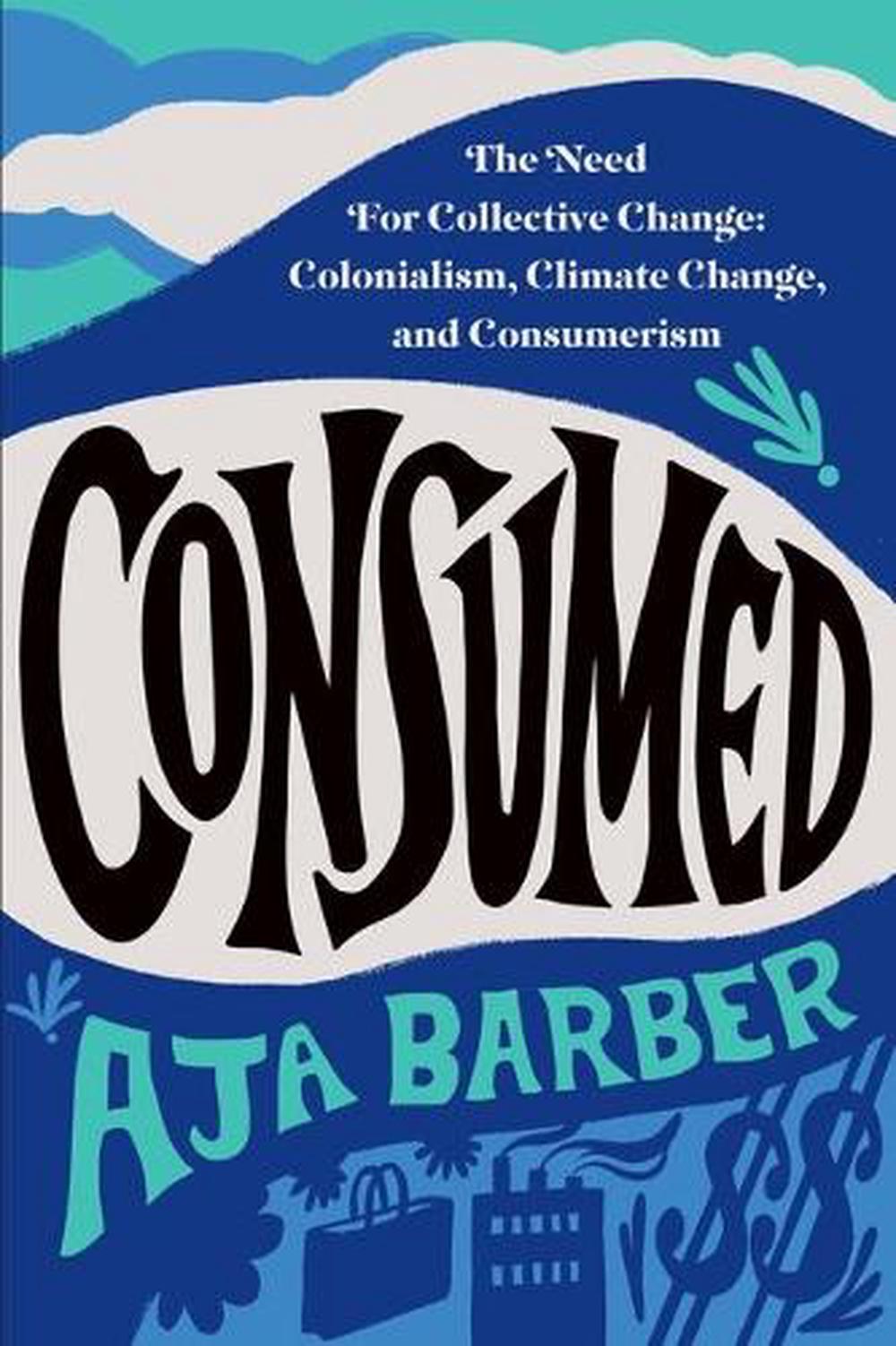
Consumed by Aja Barber is a book on everything you need to know about shopping, modern slavery, excessive waste, and the proliferation of consumerism and colonialism. Barber talks about the entire life cycle of your clothes and how the fashion industry has a lot to answer for when it comes to pollution and environmental destruction. She also writes about how we are all involved in overconsumption. Barber’s book will make you think critically about your purchases and how what you buy and throw away impacts our environment. Barber’s words are also hopeful and full of great tips and ideas about how we can challenge our own ideas and narratives about consumerism.
Underground Lovers – Alison Pouliot
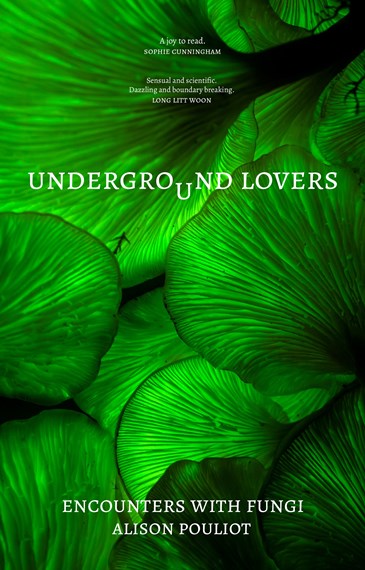
I love mushrooms. I love eating them. I love to find them when I go on walks and hikes. I love that there is still so much we don’t know about these strange and wonderful things. Mushrooms, as we know and eat them, are the fruiting body of fungi. There are amazing and complex networks underground in the soil called mycorrhizal networks that connect fungi with their neighbours. Mushrooms are often forgotten in discussions about ecological preservation. Why? I think there are two significant factors. Firstly, mushrooms are associated with decomposition. They usually live in moist, soggy environments and aren’t always considered as beautiful as flowers or trees. For this reason, they are often forgotten. Secondly, there is still so much we do not know about fungi. It is truly some of the most amazing stuff I have learnt about, and I am in constant awe of how intelligent and incomprehensible fungi are to us humans. We still don’t know all the species of fungi that exist in the world or how to find them since they are usually only visible when we see their fruits – the mushrooms. We could be harming fungi without even knowing it is there. Alison Pouliot’s book will remind you to think about what goes on underneath the soil just as much as what is happening topside.
There are so many excellent books I could add to this list, and maybe I will do another one soon again. Please let me know what you have been reading and loving lately. As always, share the reading love.

 bound2books
electrifying! 63 2025 Surveillance Capitalism in the Icelandic Dystopian Novel “The Mark” by Fríða Ísberg kind